


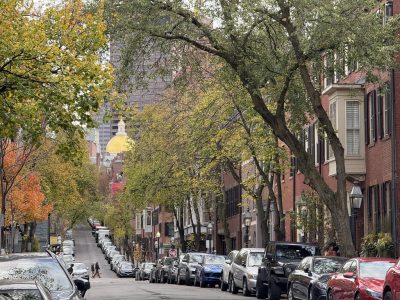
 Beacon Hill is Boston at its most iconic: gas lamps, brick sidewalks, and historic rowhomes just steps from the Massachusetts State House and Boston Common. It is also one of the city’s most supply-constrained markets, where location, light, outdoor space, and parking (when it exists) can meaningfully move value.
This guide covers what Beacon Hill is actually like to live in, how the housing stock works, and what buyers and sellers should watch.
Beacon Hill at a glance
What it feels like: Quiet, historic, walkable, and intensely central, with a “village within the city” character.
Primary housing types: Condominium residences in converted rowhomes, plus a smaller number of single-family townhouses.
Why people choose it: Architecture, proximity to the Common and Esplanade, Charles Street retail, and immediate access to Downtown Boston.
Location and boundaries
Beacon Hill sits at the literal and symbolic center of Boston, rising above the Boston Common and bordering the gold-domed State House. It borders Back Bay and Downtown and is a short walk to the North End.
Navigation note for buyers: Beacon Hill is small, but pricing and “feel” can change quickly block to block depending on slope, street width, sunlight, and traffic patterns.
A neighborhood built on history
Beacon Hill’s history is not marketing copy. It is baked into the neighborhood’s identity.
-
The Black Heritage Trail winds through the north slope and documents Boston’s free Black community and abolitionist movement, including sites connected to the Underground Railroad.
-
The neighborhood’s 19th-century townhouses still show classic details like iron boot scrapers and formal entryways.
-
The Massachusetts State House anchors Beacon Hill’s civic significance.
Beacon Hill real estate basics
Beacon Hill is a protected historic district with an Architectural Commission that helps preserve the neighborhood’s exterior character. That preservation is part of the appeal, but it also influences what is possible when renovating.
What buyers typically love
-
Federal and Greek Revival architecture, iconic brick facades, and signature streetscapes
-
Modernized interiors inside historic shells, often including central air and updated kitchens and baths
-
Occasional roof decks, gardens, or skyline and river views in select homes
What requires extra diligence
-
Building rules, condo financials, and renovation constraints
-
Stairs, storage limitations, and natural light differences from one side of a street to the other
-
Parking reality (many homes do not have it)
Micro-areas and streets buyers ask about
Beacon Hill values are driven by micro-location. The same square footage can trade very differently based on street character and placement.
Louisburg Square and the “legacy streets”
Streets like Mount Vernon, Chestnut, and Louisburg Square are consistently associated with Beacon Hill’s most recognized townhouse inventory.
Pinckney Street and the north slope story
Pinckney Street and the north slope connect strongly to the Black Heritage Trail and Beacon Hill’s abolitionist history.
Charles Street adjacency
Charles Street is Beacon Hill’s main artery for daily life: coffee, errands, and neighborhood retail. Homes near Charles Street can benefit from convenience, while also requiring a realistic view of activity and foot traffic.
Acorn Street
Acorn Street is famous for its cobblestones and postcard-level charm. It is also an area where privacy and tourist foot traffic should be considered carefully, depending on the home.
Lifestyle: green space, waterfront paths, and daily walkability
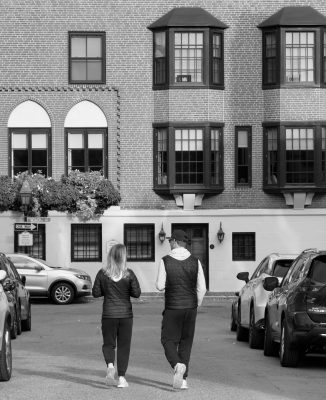
A classic Beacon Hill moment: brick architecture, bay windows, and quiet residential streets in the heart of Boston.
Beacon Hill offers immediate access to two of Boston’s most valuable outdoor assets:
-
Boston Common and the Public Garden ar
e essentially at the neighborhood’s doorstep
-
The Charles River Esplanade provides miles of waterfront paths and skyline views
For residents, this matters because it is daily lifestyle, not a weekend-only amenity.
The Mazur Team’s favorites on Charles Street
You asked to keep the personal favorites. We agree, and we can do it in a way that stays evergreen.
Neighborhood staples we consistently recommend:
-
Tatte Bakery & Cafe for a morning stop
-
Rouvalis Flowers & Gardens (West Cedar) for one of Beacon Hill’s most iconic storefronts
-
Zurito for Spanish tapas in a tucked-away setting
-
Blackstone’s of Beacon Hill for gifts with personality
-
Beacon Hill Chocolates for curated sweets and treats
-
Sevens Ale House as an iconic Beacon Hill pub and an easy go-to for a casual drink or game day
-
89 Charles for a speakeasy-style cocktail vibe
-
Beacon Hill Books & Cafe as a bookshop-meets-bistro “must stop”
Storefronts change over time. We keep an updated “current favorites” list and can share it anytime you are touring.
Neighborhood traditions and cultural anchors
Beacon Hill residents show up for seasonal Boston traditions and neighborhood events, including Shakespeare on the Common and the Beacon Hill Holiday Stroll. Beacon Hill is also know to go all-in on halloween decorations!
Cultural anchors include the Nichols House Museum, the Museum of African American History, and the Boston Athenaeum.
Market tendencies and what to watch
Beacon Hill is a low-inventory neighborhood, and well-located homes with outdoor space or parking can draw strong competition.
For buyers and sellers, the real “market snapshot” is less about headlines and more about repeatable drivers:
-
Light and exposure (especially for garden-level and lower-floor units)
-
Outdoor space (roof decks and patios tend to separate listings)
-
Parking (rare, and priced accordingly)
-
Building health (condo reserves, upcoming projects, and management quality)
-
Renovation quality (historic detail preserved, modern systems upgraded)
If you want current numbers, we recommend tracking a small set of comparable buildings and streets monthly, rather than relying on citywide averages that wash out Beacon Hill’s micro-market.
Buyer takeaways
-
Treat Beacon Hill like a set of micro-markets. Street character and placement matter as much as square footage.
-
Review condo documents carefully. Reserves, upcoming work, and rules can affect your ownership experience and resale.
-
Be realistic on parking and stairs early in the search. These are often the deciding factors.
Seller takeaways
-
Presentation and positioning matter more here than in most neighborhoods because buyers are comparing against a small set of truly comparable inventory.
-
Lean into what is rare: outdoor space, parking, views, and high-quality renovation choices that respect the historic shell.
FAQ: Beacon Hill buying and living
Is Beacon Hill mostly condos or single-family homes?
Most Beacon Hill inventory is multi-unit condominium residences in historic row homes, with fewer single-family townhouses available.
How does historic preservation affect renovations?
Beacon Hill’s Architectural Commission helps preserve exterior character. Exterior changes, windows, doors, and facade work can require approvals and additional planning.
What is parking really like in Beacon Hill?
Many homes do not come with parking. When parking is included, it can be a significant value driver. For most residents, parking strategy is a mix of permits, garages, and lifestyle planning.
What should condo buyers review before making an offer?
Condo documents, reserves, upcoming capital projects, pet policies, and any restrictions that affect renovations, rentals, or use of outdoor space.
What are the biggest quality-of-life variables?
Stairs, light, noise patterns by street, trash pickup timing, and foot traffic near high-visibility locations.
What are the best outdoor spaces nearby?
Boston Common and the Charles River Esplanade are immediate assets, with miles of paths and waterfront views.
Is Beacon Hill mostly quiet?
Much of Beacon Hill feels tucked away, but activity varies by street and proximity to Charles Street and major routes.
What is the neighborhood known for culturally?
Beacon Hill has deep political and literary roots and includes major historic and cultural sites, including the Black Heritage Trail and the Boston Athenaeum.
How The Mazur Team helps in Beacon Hill
Beacon Hill requires a specific playbook: micro-location pricing, building-by-building due diligence, renovation feasibility in a historic district, and a clear strategy around outdoor space and parking. The Mazur Team advises clients with a process built for discretion and precision in one of Boston’s most competitive and nuanced neighborhoods.